MCD - Level 1 MuleSoft Certified Developer - Level 1 (Mule 4) Practice Questions
Prepare for MCD - Level 1 with more than an answer.
- Exam fee
- $250 USD
- Level
- Associate/Developer Level 1
- Valid for
- 2 years
Domains covered on the exam 12
- Explaining Application Network Basics8%
- Designing and Consuming APIs12%
- Accessing and Modifying Mule Events10%
- Structuring Mule Applications12%
- Building API Implementation Interfaces10%
- Routing Events8%
- Handling Errors10%
- Transforming Data with DataWeave15%
- Using Connectors12%
- Processing Records8%
- Debugging and Troubleshooting Mule Applications5%
- Deploying and Managing APIs and Integrations10%
- 1
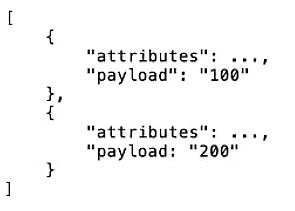
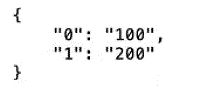
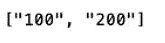
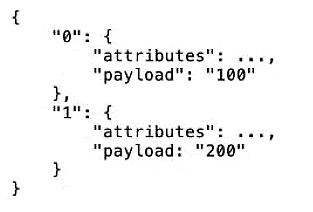
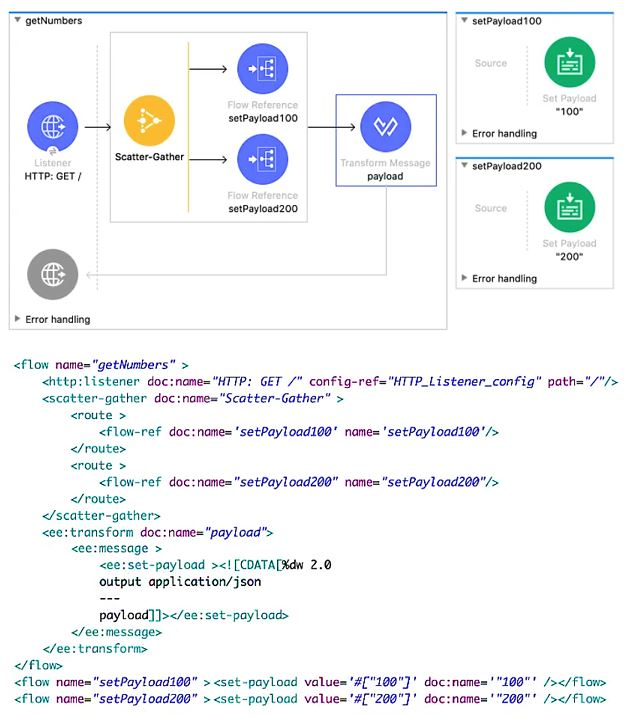
Refer to the exhibits.
Each route in the Scatter-Gather sets the payload to the number shown in the label.
What response is returned to a web client request to the HTTP Listener?
Show answer details
Correct answer: C
C
- 2
A Set Variable component saves the current payload to a variable.
What is the DataWeave parent expression to access the variable?
Show answer details
Correct answer: B
B
- 3
To avoid hard-coding values, a flow uses some property placeholders and the corresponding values are stored in a configuration file.
Where does the configuration file’s location need to be specified in the Mule application?
Show answer details
Correct answer: A
- 4
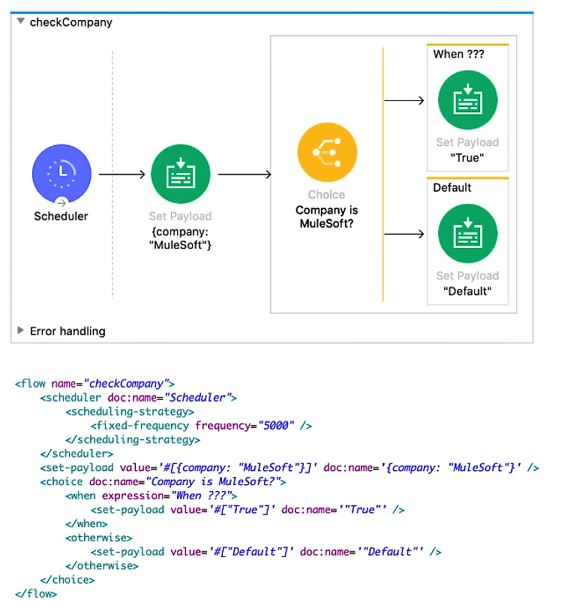
Refer to the exhibits.
The expression for the Choice router needs to be written.
What is a valid expression to route Mule events to the non-default flow?
Show answer details
Correct answer: C
- 5
A Mule application has the following flow, designed to process an incoming request, call an external service, and log the result.
What happens to the original
payloadand therequestTimestampvariable after the HTTP Request component successfully executes?flowchart TD A[HTTP Listener] --> B(Set Variable 'requestTimestamp') B --> C{HTTP Request to external API} C --> D(Logger)Show answer details
Correct answer: B
By default, when an outbound connector like HTTP Request executes, it modifies the Mule event. The
payloadis replaced with the response from the external service. However, flow variables are preserved across these operations. Therefore, therequestTimestampvariable will still exist with its original value when the Logger component is reached. - 6
What MuleSoft product enables publishing, sharing, and searching of APIs?
Show answer details
Correct answer: B
B
- 7
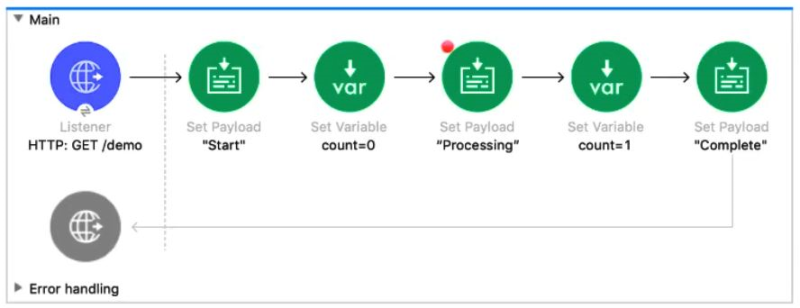
Refer to the exhibit.
The Mule application is debugged in Anypoint Studio and stops at the breakpoint.
What is the value of the payload displayed in the debugger at this breakpoint?
Show answer details
Correct answer: D
D
- 8
What execution model is used by For Each and Batch Job scopes?
Show answer details
Correct answer: D
- 9
What is the DataWeave expression to log the Content-Type header using a Logger component?
Show answer details
Correct answer: A
A
- 10
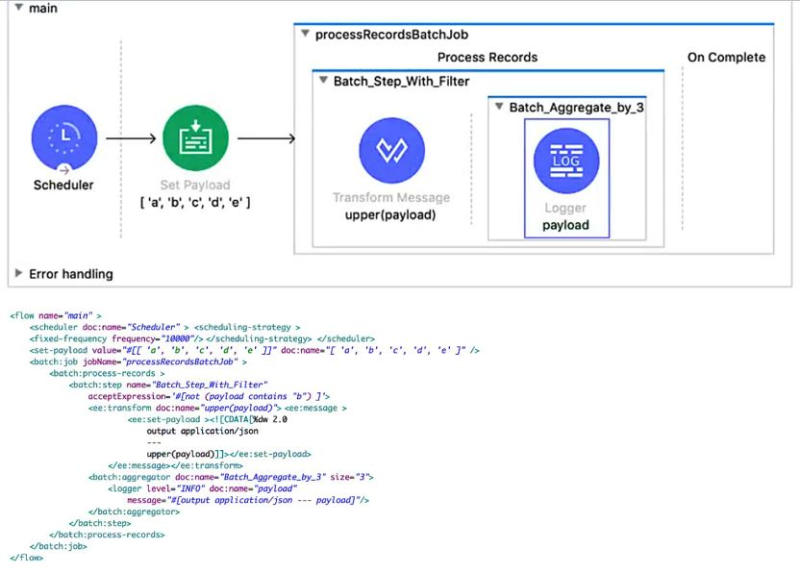
Refer to the exhibits.
The input array of strings is processed by the batch job that processes, filters, and aggregates the values.
What is the last message logged by the Logger component after the batch job completes processing?
Show answer details
Correct answer: D
D